waktu baca minimal
From commitment to credibility: Thiess Group women driving change in mining
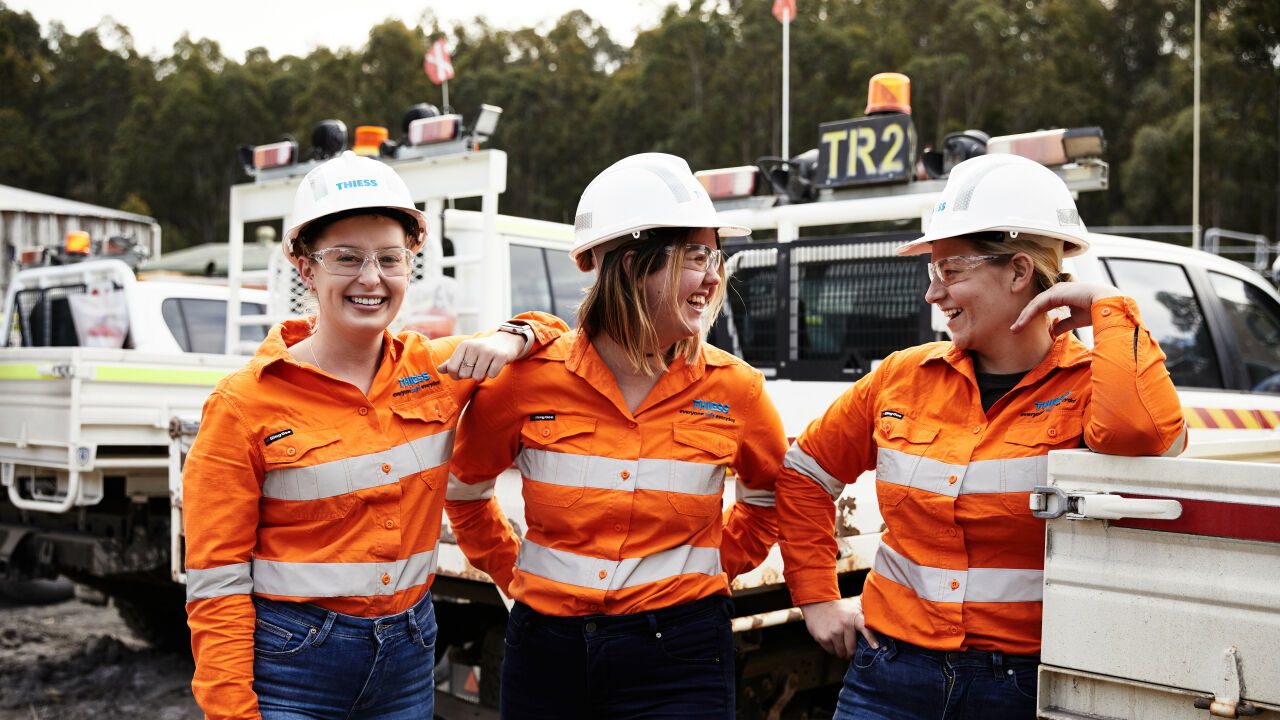
Annually, on 15 June, the global mining industry is invited to commemorate the International Day of Women in Mining (IDWIM).
The Thiess Group is proud to join the international mining community to acknowledge the perseverance, contributions, talent and spirit of women who were, are and will be part of the mining industry.
This year’s theme “Voices of Impact” focuses on two key areas:
- the shift from commitment to credibility, where social performance is demonstrated through what people and communities experience, not what is promised.
- the role of inclusive innovation and technology, where the future of mining is shaped by how diverse perspectives are integrated into the systems and decisions that define our work.
To explore how these initiatives make a genuine impact, we are delighted to share personal stories from women across Thiess companies around the world.
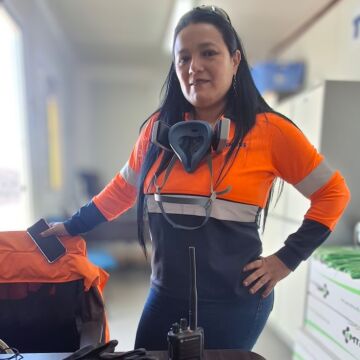
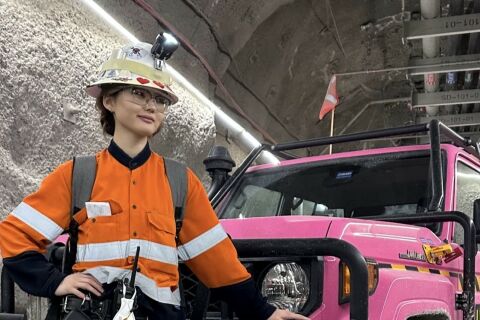
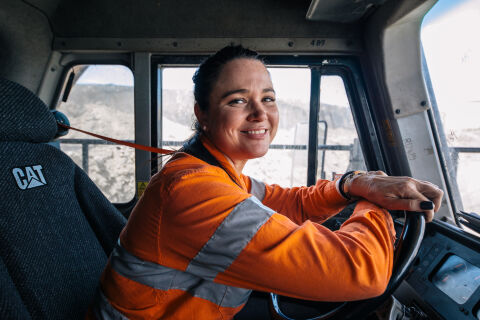
Jacqueline Canelo Bon
Extraction Truck Operator, Thiess
Llano Project, Chile
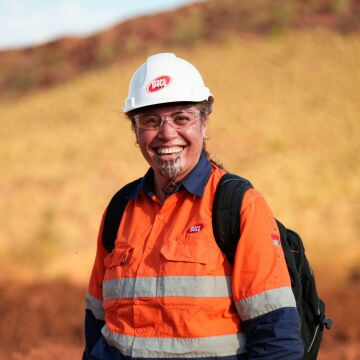
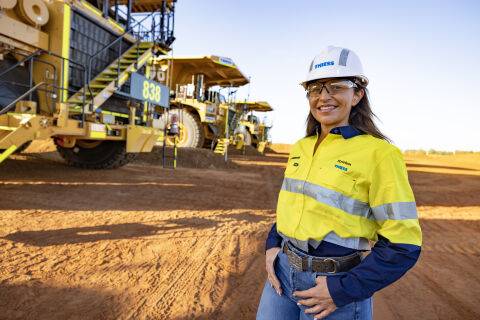
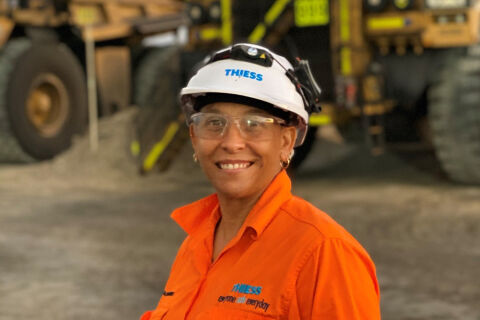
Josephine (Joey) Wikaira
Technical Trainer Superintendent, MACA
WA, Australia
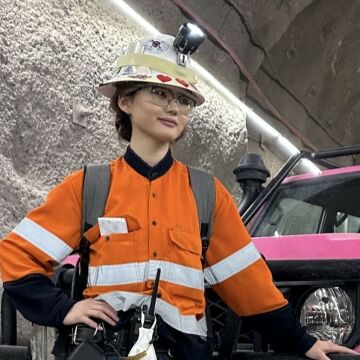
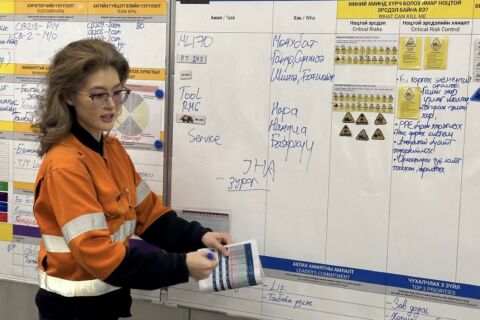
Khaliun Bold
NPGS Supervisor, Thiess
Oyu Tolgoi Project, Mongolia
How did you get into the resources industry and what attracted you to a career in mining?
Rae O'Brien:
I come from a family of engineers and was introduced to the principles of mining engineering and processing when my Year 11/12 chemistry teacher suggested it would be a strong fit for me. I’ve always been drawn to solving complex problems and finding practical ways to make a difference, particularly in areas connected to protecting or benefitting the environment.
The resources sector offered a unique opportunity to apply that problem solving and engineering thinking in a way that delivers real-world impact, which is what first attracted me to the industry.
More than 30 years later, I have loved being able to be as hands on or hands off, implementing some of my design work and collaborating with a great range of disciplines and professions to do so. The sector continues to challenge, reward and inspire me every day.
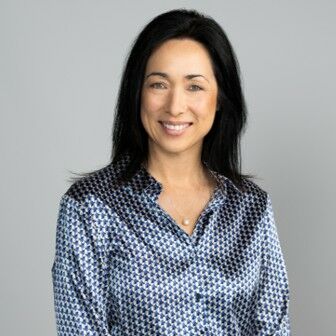
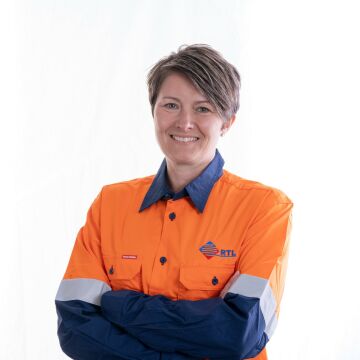
Michelle Roberston:
I started with RTL in the 1990s as the only female in the business, initially in an Accounts Payable role at Hazelwood Mine before moving to Yallourn. Early in my career, I spent significant time on site learning the business from the ground up. I worked closely with operators, spending many hours observing plant operations and accompanying leading hands in the field, which gave me a strong understanding of plant, labour, people and operations.
That foundation has shaped my career and today I remain fascinated by how plant and people work together to deliver outcomes in a complex capital-intensive environment. In my current leadership role, I find it incredibly rewarding to help shape financial strategy that directly supports operations and drives business performance.
Jacqueline Canelo Bon:
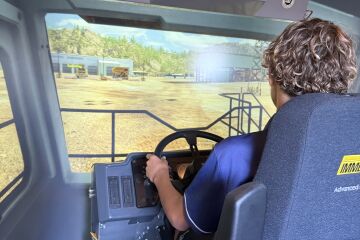
Mining had always interested me, but for many years I prioritised my role as a mother. When my son grew up, I felt it was time to pursue a long-held dream and focus on my professional development. Although I started my career as a bank teller, I decided to train at CEIM (Industrial and Mining Training Center). After completing the program, I was given the opportunity to join Minera Escondida’s trainee program in 2015.
There, I specialised in operating Caterpillar and Komatsu haul trucks, beginning a career that I am still passionate about today. I always say that I left everything behind for safety boots and hard hats because it was a decision I made wholeheartedly and with a strong desire to grow.
As a woman, entering a traditionally male-dominated industry was a challenge, but never a limitation. I was motivated by the opportunity to do something I truly loved and I firmly believe that when you work with passion and commitment, opportunities come your way. Looking back, I feel proud of the path I have taken and of finding my place in the mining industry.
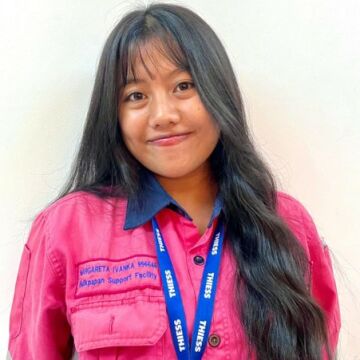
Margareta Ivanka:
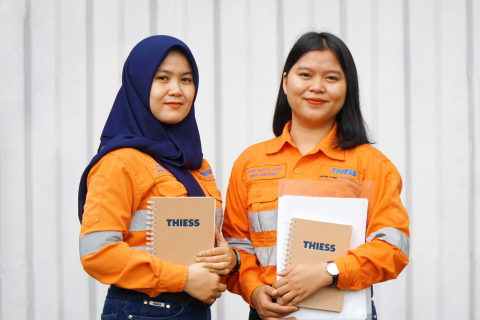
I started as a mechanic apprentice at Thiess Indonesia. I always love to work with my hands and figure out how things work. As a heavy equipment mechanic, I enjoy the challenge of repairing the massive machines that keep our site running. There is a great sense of satisfaction in diagnosing a problem and getting equipment back into production. It is hard work, but I enjoy the environment and working with my team in the mining industry.
Joey Wikaira:
I was inspired to enter mining after seeing my mum thrive in the industry, she relocated from New Zealand and was working in Australia with MACA. At the time, I was raising five children in New Zealand who were entering their teenage years and was looking for opportunities to support her family. With my mum’s support, I made the decision to relocate from to Australia when I was 39. Within three weeks of landing in Australia, I was off to the Pilbara for work and celebrating my 40th birthday.
Mum started in mining as a green DTO and progressed into other operating and leadership roles, then to a Trainer Assessor role. I have proudly followed in her footsteps, building my own long term career with MACA, who I’ve now been with for 9 years.
Mining became a family pathway; my husband also works at MACA, progressing from an all rounder operator to a digger operator. Two of my children were passionate about mining and began their resources careers with MACA as well. My kids have since moved into other roles and experiences, but MACA provided their crucial entry point and foundation in the industry.
My transition into mining was supported by family, driven by opportunity and became a multi generational pathway to growth and stability.
Khaliun Bold:
I come from a family with a strong connection to mining. I was introduced to the industry at an early age through a respected geologist in my family, Garamjav. As a child, I joined him on exploration trips, where I gained an early insight into the realities of the industry. While those long days in the field were challenging at the time, they left a lasting impression on me.
One moment in particular shaped my direction. He told me, “In our lineage, you are the one who must carry the honour of mining forward.” That sense of responsibility and purpose is what drew me toward a career in mining.
Since joining Thiess, I have built my career from HSET admin to HSE and now into a mining supervisor role. This progression reflects my commitment to learning, performance and leadership. I value the opportunity to grow across both safety and operations and apply this experience in how I lead today.
Mining continues to challenge me. It gives me the opportunity to contribute to something bigger than myself. For me, it is not just a career, but a legacy I am proud to carry forward.
Sarah Sharam:
At school, I was always interested in STEM subjects and took part in several STEM-based school residential programs. One of these was at Camborne School of Mines in the UK, where we learned about geology and mining engineering, including experiencing an underground mine firsthand.
During that program, I discovered the wide range of career opportunities available within the mining industry, as well as the potential to work internationally, particularly in Australia. The combination of technical challenges, diverse career paths and global opportunities really appealed to me, so I decided to pursue a degree in Mining Engineering.
Sheryl Kelly:
I had been living and working in the UK for several years, where I developed a strong interest in risk management. When I returned to Australia in 2006, I was given the opportunity to take on an HSE Coordinator role with KBR on the Hope Downs II construction project. That opportunity gave me my start in the resources industry and opened the door to a career that has continued to challenge and develop me.
From there, I was fortunate to continue receiving opportunities to grow within the industry, guided by incredibly knowledgeable and experienced mentors along the way. A big part of who I am today as an HSEQ Manager and how I view safety, I owe to the late Patrick Gilroy. His passion for the mining industry, workplace safety and the welfare of its workers left a lasting impression on me, one that continues to shape the values I carry forward in my own career.
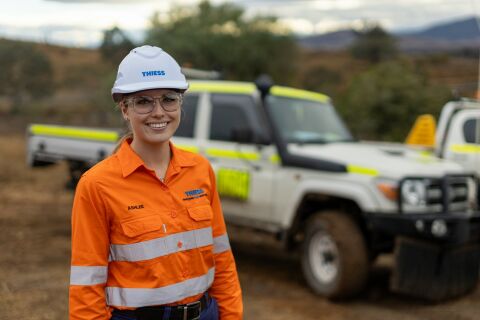
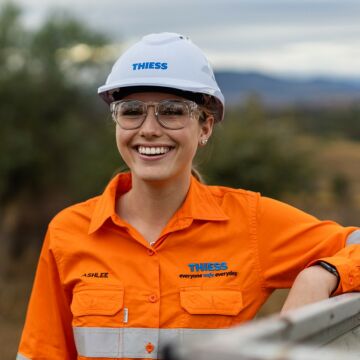
Ashlee Cox:
I joined the industry three and a half years ago as a summer vacation student with Thiess at Mount Pleasant Operation. I discovered this opportunity after engaging with MACH Energy and Thiess employees who visited my high school, as well as through the coach of my local soccer team.
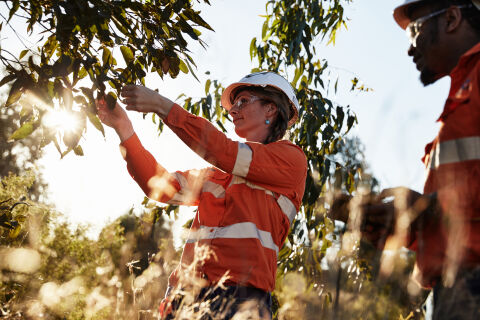
After completing Year 10 work experience at a local power station, I became interested in an environmental career in mining, due to the diversity of the role and the importance of managing environmental impacts to meet legislation and minimise impacts on the region. I was also drawn to the scale of the industry and the welcoming workplace culture.
What does gender equality or inclusive leadership in the industry look like to you?
Rae O’Brien:
Inclusive leadership is about creating an environment where people can perform at their best and are recognised for the value they bring. Gender equality goes beyond representation, it requires ensuring women have meaningful access to opportunities, development and leadership pathways at every stage of their careers.
It also requires deliberate and sustained action from leaders. This includes identifying and developing talent, removing barriers to progression and building cultures grounded in accountability, respect and continuous improvement. Once this grows to a core number of capable female leaders throughout any hierarchy, the mindset in (what has been very traditional) workplaces does tend to shift and grow to be more inclusive. It also gives junior females in the workplace more visibility of possible career paths and role-models to look up to.
When these elements are in place, organisations are not only more inclusive, but they are also stronger, more resilient and better positioned to deliver long-term performance.
Michelle Robertson:
For me, inclusive leadership is about visibility and advocacy, actively supporting the progression of women and underrepresented groups and challenging traditional norms where needed. When people see others like themselves succeeding in the industry, it builds confidence, broadens aspirations and helps create a more balanced, inclusive and sustainable workforce for the future.
Jacqueline Canelo Bon:
For me, gender equality means that we all have the same opportunities and are valued for what we do and for our abilities, not for whether we are men or women. Today I am the only woman in my operations area, but I have always felt that what truly matters is the contribution each person makes to the team.
I believe inclusive leadership is about listening, respecting and considering everyone. When every voice is heard, better ideas are created, different experiences are learned from and teams become stronger.
I have also seen how mining has changed over the years. Today there are more women, better facilities and a much more open and inclusive culture. There is still a long way to go, but I am convinced that mining is a place where we can all grow, contribute and develop equally.
Margareta Ivanka:
It’s about being assessed on your skill and your work ethic, not on your gender. It means everyone has the same opportunities to learn, grow and take on new responsibilities. When we respect each other’s skills and work together, we will get the job done much better.
Joey Wikaira:
The mining and resources industry needs to truly listen to its people, especially across diverse backgrounds and experiences. Listening goes beyond policies, it’s about understanding what makes people feel valued and supported, like their “love language” at work.
When people feel genuinely heard, work becomes easier, safer and more empowering. Employees’ personal hardships shouldn’t be ignored; they are often the source of resilience and strength, even when they’re not openly spoken about.
If organisations create space for this, people feel more engaged, motivated and excited about their future in the industry. Often, frustration, negativity or disengagement comes from people simply wanting to be acknowledged.
Small actions matter, a sincere “you’re doing a great job today” can make a huge difference. The industry needs to move beyond just stating its values and instead truly live them every day
Khaliun Bold:
For me, gender equality means creating opportunities based on talent, dedication and performance rather than gender. Having started my career as an HSE Administrator, progressing to an HSE role and now working as a Supervisor, I have seen firsthand how important it is to be given equal opportunities to learn, grow and lead. Inclusive leadership means ensuring every team member feels respected, heard and valued regardless of their background or position. In mining, where teamwork and safety are critical, diverse perspectives make us stronger and help us achieve better outcomes together.
Sarah Sharam:
To me, gender equality means focusing on a person's talent, capability and performance, without regard to their gender. Everyone should have equal access to opportunities, development and career progression based on merit. Inclusive leadership is about creating an environment where people feel respected, supported and able to contribute their ideas and perspectives.
Sheryl Kelly:
Gender equality and inclusive leadership, to me, mean being valued for capability, experience and contribution. It means having equal access to opportunities, training, career progression and leadership roles, while working in an environment where respect, safety and inclusion are part of everyday culture. I believe inclusive leadership is about creating a workplace where everyone has a voice, different perspectives are welcomed and people feel comfortable speaking up and contributing ideas.
For me, true equality in industry is about fair treatment, genuine opportunity and building a culture where diversity strengthens the team and makes the workplace welcoming for everyone.
Ashlee Cox:
I’ve been very lucky to commence my mining career with Thiess at Mount Pleasant Operation, where there is a strong presence of women in leadership roles and a culture that supports and encourages women in the industry.
This has shaped my view of inclusive leadership, where women with the right skills are supported to progress into leadership roles while also starting or raising a family. It’s inspired me to aim higher in my own career, having seen first-hand that women can succeed in both areas simultaneously.
This year’s theme is “Voices of Impact”, do you have any advice for leaders in the industry or women considering a career in mining?
Rae O’Brien:
For women considering a career in mining, my advice is to stay curious, back yourself and be open to opportunities that challenge you. The industry offers a breadth of pathways and the opportunity to build a meaningful and rewarding careers over the long term. I would also recommend finding a good mentor that can give you a different perspective on possible pathways, this has been highly valuable to me over the past 30 years.
For leaders, ‘Voices of Impact’ is about being intentional – creating environments where people are empowered to contribute, develop and succeed. Strong leadership is reflected in how effectively we support and grow others. When we do this well, we strengthen not only individuals, but the capability and future of the industry as a whole.
Michelle Robertson:
My advice to leaders is to lead with authenticity, listen actively, lead by example and create environments where diverse voices are genuinely heard and valued. These actions build trust, strengthen inclusion and create a culture of respect.
Jacqueline Canelo Bon:
I would tell women to take the leap. Mining is a beautiful industry, full of opportunities but also with great responsibility. The most important thing is that your motivation comes from passion for what you do. When you work with love for your profession, everything flows better. We all have the ability to develop and contribute.
To leaders, I would say that the challenge today is to continue building inclusive leadership that supports the changes in the industry. In this sense, it is key to promote continuous training programs, as well as ongoing reinductions such as technical and safety training throughout the entire working life. Mining changes every day, it’s essential to keep learning and staying up to date.
Margareta Ivanka:
Trust yourself, just jump in and give it a go. Don't be intimidated by the big machines or the male-dominated environment. If you’re willing to learn, listen and put in the effort, you’ll earn your place. You belong here just as much as anyone else.
For leaders, just keep supporting people who are willing to learn and give a chance to help them grow. That encouragement makes a huge difference.
Joey Wikaira:
“All You Need to Know” – these are five point I originally started sharing with my sons and now through the New to Industry program.
- Act on your highest passion.
- Act on it for as long as you can, take it as far as you can, until you can take it no further.
- Take these actions with absolutely no insistence, no assumption of what the outcome is supposed to be.
- Stay in a positive state no matter what happens.
- Explore your belief systems and let go of the fear based or negative ones, definitions that are outdated and don’t work for you anymore.
Khaliun Bold:
My advice to leaders is to create workplaces where people feel confident speaking up, sharing ideas and contributing to decisions. Real impact comes from listening to different perspectives and ensuring every voice is valued. For women considering a career in mining, don’t be afraid to challenge yourself and pursue opportunities that may seem outside your comfort zone.
Mining is a dynamic industry that offers endless opportunities to learn, grow and make a meaningful contribution. Stay curious, continue developing your skills and trust in your ability to succeed. Your voice, ideas and determination can help shape the future of the industry.
Sarah Sharam:
For women considering a career in mining, I would encourage them to focus on the skills, knowledge and value they can bring to the industry. Seek out supportive workplaces and leaders who recognise your capabilities and potential, rather than focusing on gender.
Don't be afraid to ask questions, challenge the ‘norm’ and bring a different perspective. Most importantly, back yourself and let your capabilities speak for themselves.
Sheryl Kelly:
The mining industry can be challenging, but it can also be incredibly rewarding if you’re willing to step in and take on the challenge. Women do have a voice and are making a positive impact across the industry every day. My advice to leaders is to keep creating environments where people feel respected, supported and heard because an inclusive workplace brings out the best in everyone. For women considering a career in mining, back yourself, speak up and don’t be afraid to take opportunities. Your perspective, skills and voice matter.
Ashlee Cox:
To leaders in the industry, I would suggest that ‘Voices of Impact’ means creating an environment where women feel supported and empowered to contribute to discussions and decision making. It requires leaders to encourage their teams to propose new ideas and challenge the norm, which can deliver real benefits to the business.
To women considering a career in mining, I would say be confident and back yourself. Don’t underestimate the positive impact and unique perspective you can bring to the workplace. Take ownership of your learning and development, stay curious, seek mentoring and ask questions.
We thank all the women who contributed to this article and wish everyone a happy International Day of Women in Mining.